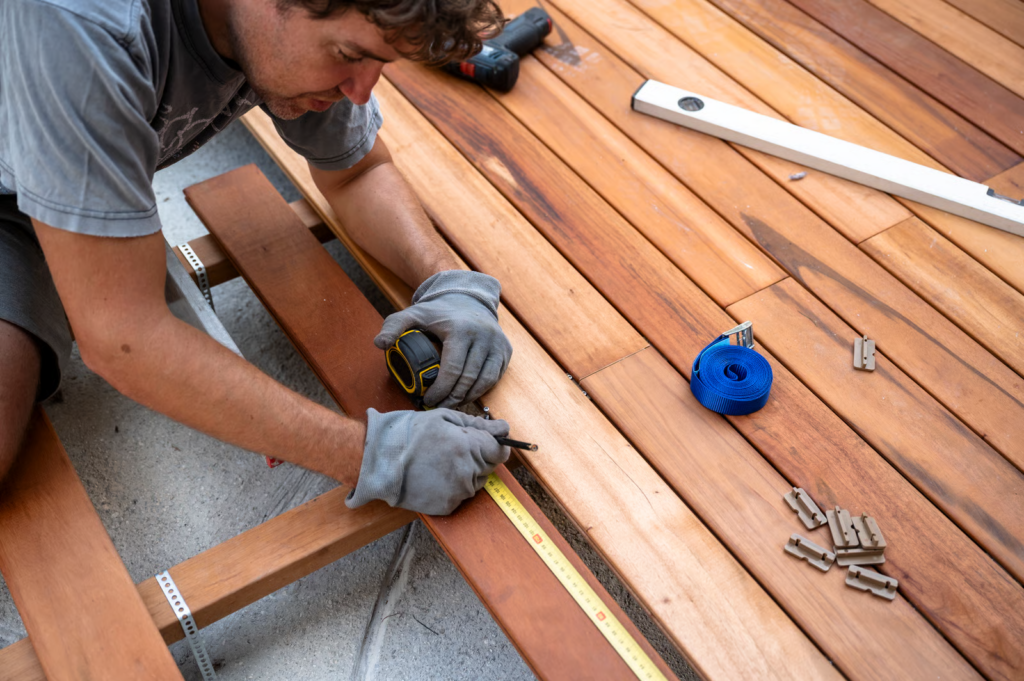
Whether you live in a charming home that’s been in the family for generations or a relatively new construction that’s giving you floor trouble, you need to look into fixing it. While only expert carpenters, such as the ones at Carlos Suscal Painting LLC, have the skills and knowledge to effectively restore your sagging floor, learning about the process isn’t a bad idea. If you’re interested in understanding how Residential carpentry services can raise the level of your sagging floor, this blog covers everything from initial assessment to permanent support.
Stepping Into The World Of Residential Carpenters: How They Fix Sagging Floors
Sagging floors don’t just look bad; they’re tripping hazards and compromise the safety of your property. This is why it’s important to involve an experienced professional in residential carpentering. But how do they fix the issue anyway?
Take a look below as we walk you through the floor repair process.
- Step 1: Assessing The Cause
The first thing that any carpenter in Bethel, CT will do is assess the reason for the floor dipping. They’ll check for rotting wood, gaps between the floor and walls, and inspect the joists to determine the real cause of the sagging.

- Step 2: Measuring The Sag
Next, in the process of residential carpentering, they will use a long level or laser level to measure the depth of the sag. They’ll note all depressions, and if the sagging is extensive, they may contact an engineer for an expert opinion.
- Step 3: Attaining Expert Advice
Once the engineer has assessed the situation, they’ll advise on the correct load capacity of the floors and the appropriate repair techniques required, which the team will implement as part of professional residential carpentering
- Step 4: Temporary Supports
The next step in your residential carpentering project is to stabilize the floor. The carpenter will add support beams or posts underneath the sagging section, ensuring the support jack rests on a solid concrete foundation to prevent the floor from jostling.
- Step 5: Jack The Floor
Once the temporary supports are in place, your team handling residential carpentering will begin to gradually raise the floor by small increments. This process can take anywhere from a few days to several weeks, as rushing the lift can cause structural shifts and damage.
- Step 6: Reinforcing The Joists
Once the floor has reached the desired height, it’s time for permanent repairs. Your team performing residential carpentering will attach a flat piece of lumber next to the damaged section using adhesives and nails, further stabilizing your newly lifted floors.
- Step 7: Additional Support
If the floor looks like it needs additional support, your residential carpentry service will include setting up more joists, beams and blocks underneath the floor. This will help distribute the weight of the floor more evenly and prevent it from sagging.
- Step 8: Replace Rotting Wood
If they find rotting or softening wood, the team handling residential carpentering will replace it with solid, new pieces of lumber. The main cause of the wood damage, whether pests or moisture, must be addressed first.
- Step 9: Removing Temporary Fixes
Now that the repair work is complete and your sagging floor is stabilized, your team performing residential carpentering can remove the temporary shoring. The project must be inspected first to ensure the floor is secure and won’t sag or collapse.
- Step 10: Repair Remaining Sagging
In case there’s any minor sagging left, your team performing residential carpentering will use shims between the subfloor and flooring material. If the subfloor is exposed, they may opt for a self-leveling compound for a smoother, more durable result.
Maintenance Tips For Your Newly Raised Flooring: How To Prevent Future Sagging
Phew! All done! Now that your floors are back to their original height, it’s a good idea to follow residential carpentering maintenance techniques to prevent sagging in the future. Take a look below for some useful tips:
- Set up dehumidifiers to reduce moisture levels in the crawlspace
- Install vapour barriers to prevent moisture damage in the future
- Conduct annual inspections of the foundation and support beams
- Ensure that the floor has enough support once repairs are complete
Conclusion
To conclude, if your floors are sagging in the living room or bedroom, it’s always best to schedule professional residential carpentering services. They’ll thoroughly assess the situation, gradually raise the floors, and install permanent supports to keep the newly leveled wooden floor in place. Practicing routine maintenance ensures your floors remain stable for years to come.
FAQs
What is residential carpentering?
Residential carpentering involves skilled woodworking services for homes, including repairs, renovations, and custom installations.
When should I hire residential carpentering services?
You should hire them for floor repairs, deck reconstruction, cabinetry, or any home woodwork that requires professional expertise.
How much does residential carpentering typically cost?
Costs vary depending on the project size and materials, but professional estimates usually range from a few hundred to several thousand dollars.
Can residential carpentering fix sagging floors?
Yes, residential carpenters can assess structural issues, reinforce joists, and stabilize floors to correct sagging.
How can I maintain my home after residential carpentering work?
Regular inspections, moisture control, pest prevention, and proper care of wooden structures help maintain the quality of residential carpentering work.