Residential carpentry plays a vital role in improving the structure, appearance, and value of your home. Whether you’re planning a full remodel, installing custom cabinets, or upgrading trim work, using the right carpentry techniques ensures long-lasting and high-quality results. Homeowners in Ridgefield, CT often face challenges like moisture, seasonal changes, and material selection, making proper planning essential.
In this guide, we’ll share expert residential carpentry tips to help you achieve durable, professional-grade woodwork that stands the test of time.
Why Quality Residential Carpentry Matters
High-quality residential carpentry is more than just aesthetics; it directly impacts the durability and safety of your home. Poor craftsmanship can lead to structural issues, warping, and costly repairs over time.
Professional carpentry ensures:
- Long-lasting materials and finishes
- Proper installation techniques
- Increased property value
- Enhanced visual appeal
Whether it’s interior carpentry or exterior carpentry, attention to detail makes all the difference.
Essential Residential Carpentry Tips for Long-Lasting Results
1. Measure Twice for Accuracy
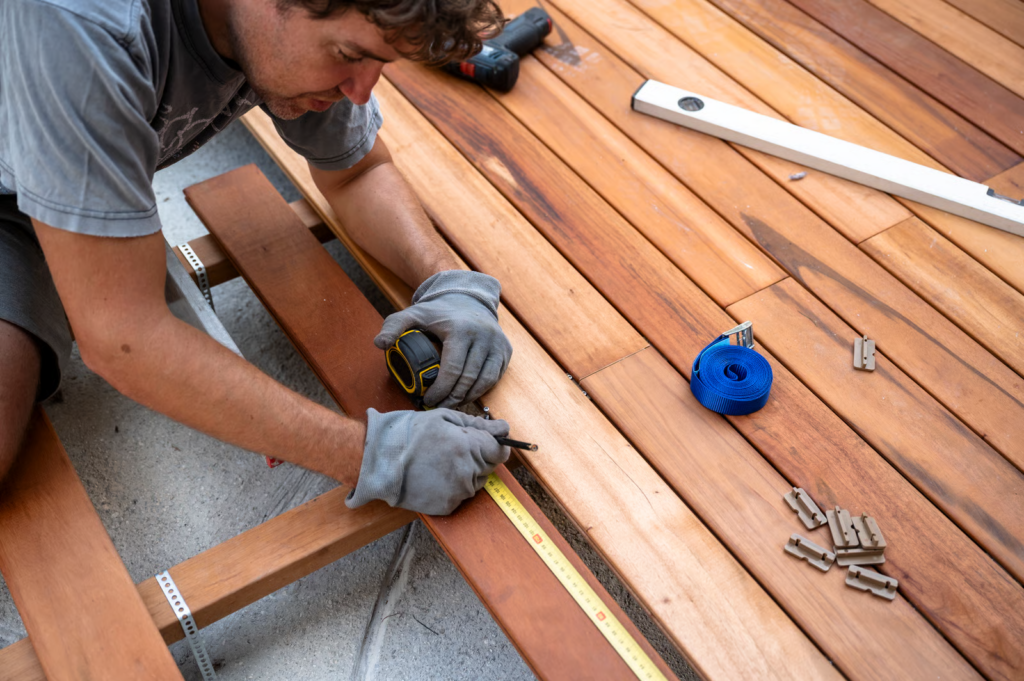
Accurate measurements are the basis for any successful carpentry project. Whether you’re installing flooring, cabinets, or trim, measuring twice helps prevent costly mistakes and material waste.
Precise measurements ensure:
- Better fitting joints
- Reduced material waste
- Professional-quality results
2. Account for Wood Movement
Wood naturally expands and contracts in response to temperature and humidity variations. Ignoring this can lead to cracks, gaps, or warped structures.
To prevent issues:
- Leave expansion gaps between planks
- Avoid overly tight fittings
- Use moisture-resistant materials when needed
3. Choose the Right Type of Wood
Choosing the right wood is critical for durability.
- Hardwood: Ideal for flooring, furniture, and cabinetry due to its strength
- Softwood: Suitable for framing and structural work
Using the right material ensures your residential remodeling carpentry project lasts longer and performs better.
4. Let Wood Acclimate Before Installation
Before starting any project, allow wood to adjust to the indoor environment for several days.
This helps:
- Prevent shrinking or swelling
- Improve installation accuracy
- Increase the longevity of woodwork
Acclimation is especially important for woodwork in homes in Ridgefield, CT, due to seasonal climate variations.
5. Use Sharp, High-Quality Tools
Dull tools can damage wood fibers and lead to rough finishes. Always use sharp and well-maintained tools for clean, precise cuts.
Essential tools include:
- Measuring tape
- Chisels
- Handsaws
- Power drills
- Sanders
Sharp tools improve both efficiency and final results.
6. Mark Surfaces Carefully
Instead of relying only on measurements, mark directly on walls or wood surfaces. This helps account for uneven surfaces and ensures better alignment.
This technique is especially useful for:
- Trim installation
- Cabinet fitting
- Wall-mounted structures
7. Sand for a Smooth Finish
Sanding is a critical step that should never be skipped. It removes imperfections and prepares the surface for finishing.
Best practices:
- Begin with coarse grit and go to finer grit.
- Sand evenly across the surface
- Clean dust before applying finishes
A well-sanded surface enhances both appearance and durability.
8. Use Reveals for Better Trim Work
Trying to make the trim perfectly flush can lead to visible imperfections. Instead, use slight “reveals” to create shadow lines that hide inconsistencies.
This technique:
- Improves visual appeal
- Reduces installation errors
- Adds a professional touch
9. Protect Wood with Sealants and Stains
Wood is vulnerable to moisture, UV rays, and wear. Applying high-quality sealants and stains protects your investment.
Benefits include:
- Moisture resistance
- UV protection
- Longer lifespan
- Enhanced appearance
This is especially important for exterior carpentry projects like decks and fences.
10. Seal the End Grain
End grain absorbs moisture faster than other parts of the wood, making it more prone to damage.
To protect it:
- Apply sealant thoroughly
- Avoid unnecessary exposure
- Use protective finishes
This small step significantly improves durability.
11. Use Corrosion-Resistant Fasteners
For outdoor projects, always use galvanized or stainless steel nails and screws.
Why it matters:
- Prevents rust
- Increases structural strength
- Extends the lifespan of exterior woodwork
High-quality fasteners are essential for professional carpentry results.
Benefits of Hiring Local Carpentry Experts in Ridgefield, CT
While DIY projects can be rewarding, hiring experienced professionals ensures superior results.
Local carpentry experts offer:
- Knowledge of Ridgefield’s climate and conditions
- Familiarity with local building codes
- Access to high-quality materials
- Efficient and precise workmanship
Choosing home carpentry contractors in Ridgefield, CT, helps ensure your project is completed correctly the first time.
Common Residential Carpentry Services
Professional carpentry services include:
- Interior carpentry (trim, molding, cabinets)
- Exterior carpentry (decks, fences, siding)
- Custom woodwork
- Home remodeling carpentry
- Repairs and maintenance
These services enhance both the functionality and the visual appeal of your home.
Conclusion
Residential carpentry requires careful planning, the right materials, and expert techniques to achieve long-lasting results. From accurate measurements and proper wood selection to sealing and finishing, every step plays a crucial role in the success of your project.
If you want durable, high-quality woodwork, consider working with experienced local carpentry professionals who understand the unique needs of homes in Ridgefield, CT.
Looking for reliable residential carpentry services in Ridgefield, CT?
Contact Carlos Suscal Painting LLC today for expert craftsmanship, custom woodwork, and long-lasting results tailored to your home.
FAQs
What is residential carpentry, and why is it important?
Residential carpentry involves building, repairing, and installing wood structures in homes, such as cabinets, flooring, and trim. It is important because it enhances durability, improves functionality, and adds aesthetic value to your property.
How can I make my carpentry project last longer?
To ensure long-lasting results, use high-quality wood, allow proper acclimation, seal and stain surfaces, and use corrosion-resistant fasteners. Regular maintenance and proper installation techniques also help extend the life of carpentry work.
What type of wood is best for residential carpentry projects?
Hardwood is ideal for furniture, flooring, and cabinetry due to its strength and durability, while softwood is commonly used for framing and structural work. Choosing the right wood depends on the purpose and location of the project.
Why should I hire local carpentry experts in Ridgefield, CT?
Local carpenters understand regional weather conditions, building codes, and material performance. Hiring professionals from Ridgefield, CT ensures your project is completed efficiently, meets regulations, and lasts longer.
What are common mistakes to avoid in carpentry projects?
Common mistakes include inaccurate measurements, skipping sanding, using low-quality materials, and not accounting for wood movement. Avoiding these errors ensures better results, improved durability, and a more professional finish.