Constructing a deck can provide a cozy outdoor area to unwind, enjoy food and beverages, or host friends and family. However, the learning curve is best completed by knowing what you’ll likely be paying for prior to your project. The Carlos Suscal Painting LLC can assist homeowners in understanding the costs that will be involved prior to the construction. The price of decks differs in 2026 depending on the materials, labor, size, height, and design. It may be more economical to get your basic wood deck built than build a big composite deck with stairs and custom railings. By being aware of these things beforehand, you can prepare a more realistic financial plan and will not experience any surprises in the future.
Deck Construction Costs: Materials, Labor, and Installation Explained
There are components to a deck project and the total cost of building a deck is dependent on those elements. Many factors can influence your cost, including materials and labor, deck size and more.
Pressure-Treated Wood
The average cost of a pressure treated wood deck is $25-$40 per square foot. One of the cheaper, but effective, as far as simple designs are concerned. Wood does require regular cleaning, staining and sealing, though, to maintain its appearance and protect it from moisture.
Cedar Decking
The average cost of Cedar is $35 – $55 per square foot installed. It has a natural look and is used for its warm colour and good grain. Although cedar is a great choice for the outdoor environment, it still requires regular care to help prevent weathering and deterioration.
Composite Decking
The price of composite decking ranges in installed price of $40 to $65 per square foot, although premium decks will be more expensive. The cost of the decking materials and installation are the reason for this increased price.
Labor and Installation
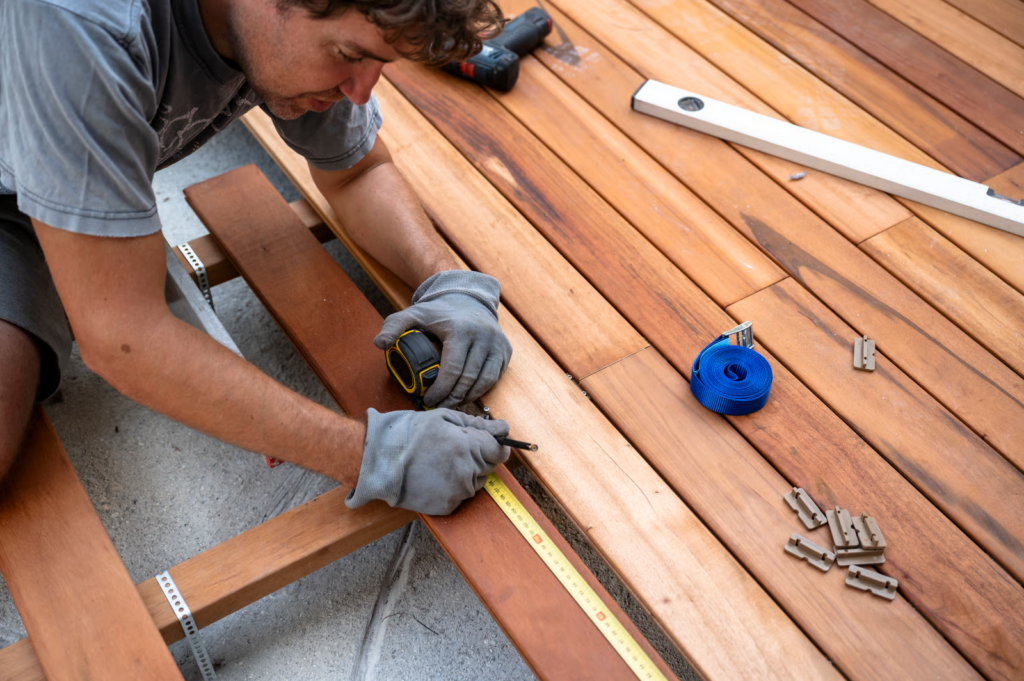
Labor can account for about 40% to 55% of the cost of the deck project. Simple ground level decks are typically simpler to construct and elevated decks involve extra framing, footings, stairs, and safety measures.
Deck Size
The larger the deck the more decking boards, framing, nails, footings and manpower will be needed. A 12′ by 16′ deck, for instance, will have a total square footage of 192, a 16′ by 20′ deck will have a total square footage of 320, etc.
Deck Cost Factors: What Can Increase Your Project Price
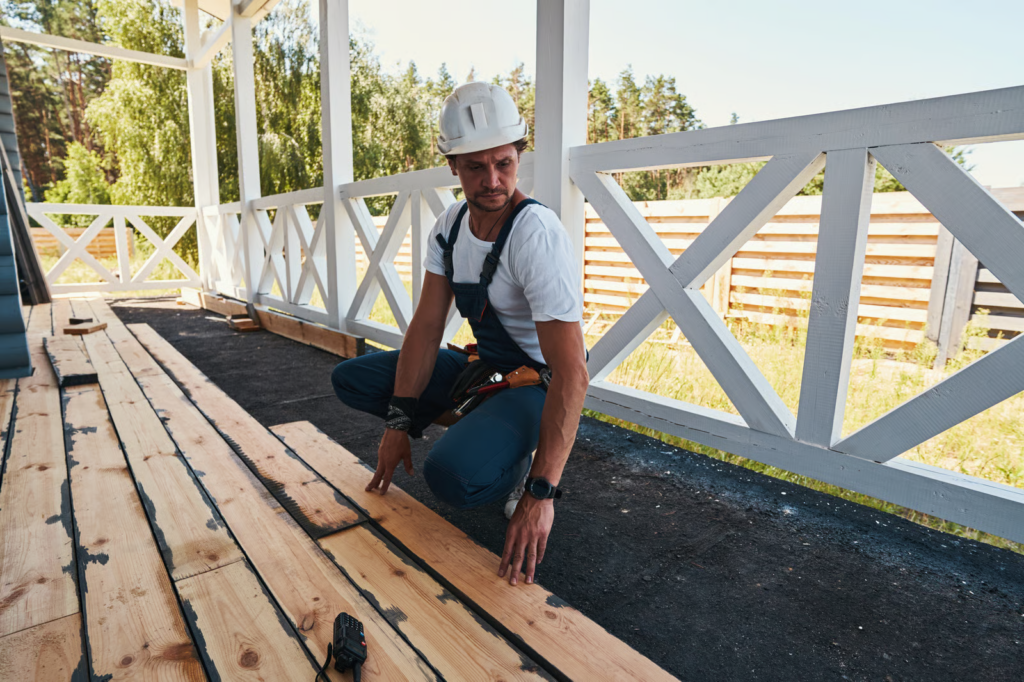
The cost of the material and size are just a small portion of the budget. The final cost may also be influenced by where your deck is located, how tall it is, its shape, what it requires for its foundation and what features you choose to add.
Rising and sinking of the deck
A deck that is constructed close to the ground is usually easier to construct compared to a deck that is several feet above ground. Taller posts, stronger structural framing, deeper footings, stairs and extra railing might be necessary for raised decks.
Shape and Layout
A deck typically is simpler and faster to build if it has a simple rectangular shape. For those L-shaped, curved, multi-level and wraparound designs, more precise framing and cutting is needed.
Foundation and Soil
The materials under your deck can influence the cost of your deck. Stony soil or soil that is hard to dig may need extra manpower or equipment. Raised decks should also be built with properly designed footings and structural supports to ensure a solid foundation.
Material Quality
Your decking selection might have a single of the warmest impacts on your finances. Of all materials, pressure-treated wood is available at a lower initial cost, whereas composite, PVC, aluminum and high-quality hardwoods can be quite expensive. Materials that cost more can have other maintenance needs and service life.
Labor and Permits are available locally
Two homeowners can get wildly different bids for a deck, depending on the location where their labor is produced. Other fees, such as permit and design fees, may be required based on local requirements. Prior to making the construction purchase, be sure to determine what permits are needed, and inquire of contractors if their estimates account for those costs.
Deck Maintenance and Long-Term Value
A deck also needs care after construction to keep it safe and looking good. Regular cleaning, checking for loose boards, and protecting the surface from weather can help extend its useful life. Professional Carpentry Services can also help with repairs, structural adjustments, or other woodwork needed as the deck ages.
Conclusion
When it comes to deck construction costs, there are lots of variables besides square footage involved. The cost of materials, labor, size, height, foundation, stairs, railings and design features are all factors that can impact final cost. The basic pressure treated wood may serve as a more cost-effective start, and composite and custom pieces typically come with a higher price tag. When designing a deck, it is important to have a clear idea of how large it will be and what materials to use.When planning a deck, it is crucial to have a clear idea of the size of the deck and the type of materials to use.
FAQs
Which decking will be the most inexpensive in 2026?
Pressure treated wood is considered to be one of the most economical types of decking.
Is the size of the deck a factor in the cost of a building?
Yes, the bigger the deck the more materials, labor, framing and foundation work will be needed.
Is the cost of composite decks higher than the cost of wood decks?
Yew, the initial price of composite decking materials and installation tends to be more expensive.
How Can I Reduce Deck Construction Costs?
Choose a simple layout, compare material options, and get detailed quotes before starting the project.
Do I Need a Permit to Build a Deck?
Permit requirements vary by location and deck design, so check your local building requirements before construction.