Painting your home can improve the curb appeal and will help keep it safe from the elements. Many homeowners think painting a home’s exterior is an overwhelming chore.
With the correct techniques, you can turn exterior painting into a smooth and manageable process. A fresh-painted appearance modernizes an outdated property in one go.
This guide by Carlos Suscal Painting explains how to paint a house exterior so you can master the quickest methods to get a perfect finish.
Getting Started with Exterior Painting
When it comes time to exterior painting, a strategy is needed. Just opening a paint can and pouring paint onto a brush won’t do the job. The weather and when you paint are huge factors.
Here are some simple exterior house painting tips and guidelines to follow before you begin:
- Monitor the weather: Select consecutive dry days of the weather in the range between 10°C and 30°C.
- Don’t paint in the sun: Paint in the shade to prevent the coat drying out too quickly.
- Inspect: Do you have any rot, cracks, or loose boards on your siding?
Choosing the Materials and the Best Tools for Exterior House Painting
Knowing how to paint a house exterior with the proper equipment is essential to a successful project.
Any painting job will last for years if you choose the best paint for house exteriors. Using the correct tools for exterior house painting can cut half the time spent on the project.
Your Equipment Checklist
- Paint sprayer: The quickest tool for large, flat siding areas.
- Brushes: Best for cutting into corners, trim, and tight edges; should be high-quality brushes.
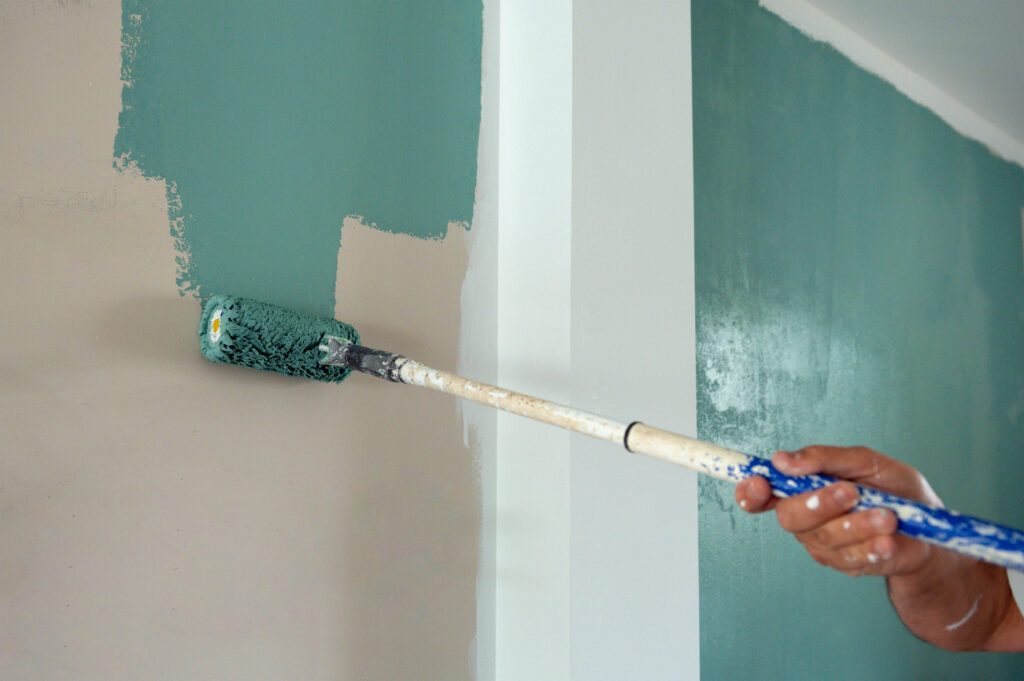
- Extension rollers: Ideal for medium-sized areas where a sprayer is not feasible.
- Strong ladders: Essential for climbing safely up high.
Comparing the Best Tools for Exterior House Painting
| Painting Tool | Best Used For | Speed Rating | Level of Skill Needed |
| Paint Sprayer | Large walls, easiest painting of exterior siding | Fast | Medium |
| Roller with Extension | Brick, stucco, and flat sections | Moderate | Low |
| Angle Sash Brush | Window trim, doors, and fine edges | Slow | Low |
Steps to Prepare a House for Exterior Painting
80% of the work in painting is preparation. If you do not prepare, the new layer will be lost in one year.
Deep Cleaning
- Know how to clean exterior walls before painting with a pressure washer.
- Remove old cobwebs, bird droppings, chalky residue, and dirt.
- If there are green or black mold spots, apply a mildew killer.
- Let the house dry for 24 to 48 hours.
Scraping and Repairing
- Use a putty knife to remove flaking, peeling or bubbling paint.
- Round corners and edges to smooth out for a seamless finish with the new coat.
- Seal exterior cracks and gaps around windows with high-grade exterior caulk.
- Use exterior grade primer on reworked areas or new wood.

Exterior Painting Techniques for Beginners
Using correct exterior painting techniques for beginners is the easiest way to paint exterior siding that guarantees a smooth look.
If coats are not even, dark lines will appear on your siding. To ensure uniformity, it’s important to know how to avoid streaks when painting exterior walls.
These are the tips that the experts use to achieve successful applications:
- Work top to bottom: Begin from the roof line and work downward to get drips.
- Use a wet edge: Avoid streaks with overlapping strokes over wet paint.
- Avoid stretching the paint: Thicken or thin it out, but apply it generously and evenly.
- Use acrylic latex: The best paint for house exteriors is latex as it is tough but flexible. It expands and contracts with changing weather conditions.
When to Schedule Professional Exterior House Painting Services
DIY painting may save money but requires much time and work. Multi-storied buildings with high roof peaks are dangerous. The easiest way to paint exterior siding is to call in the professionals.
When to call a professional?
- Your house is 2+ stories in height.
- Exterior siding has lead-based paint.
- You don’t get time to complete the project before bad weather.
Choosing the Right Exterior Paint Finish
The paint finish you choose can affect how your home’s exterior looks and how easily you can maintain it. Satin and eggshell finishes are often practical for siding because they offer a balance of appearance and cleanability, while semi-gloss paint works well for doors, shutters, and trim that need extra durability. Before making your final choice, test a small area to see how the color and finish look in natural light. If you’re updating the inside of your home as well, explore Interior Painting in Fairfield County, CT for professional painting services.
Conclusion
Preparing your home is the easiest way to paint your exterior. If you are planning on a home transformation, start early.
Prepare your walls, clean the exteriors, and buy the best materials out there.
Call an expert and schedule your professional exterior house painting services.
Frequently Asked Questions
Which one should I use for painting exterior siding: a brush, roller, or sprayer?
For large siding areas, the quickest and easiest way is to use a paint sprayer. For textured areas, use a roller and for fine trimming, use a brush.
If it rains just after I’m done painting what happens?
Uncured paint will flake off or get permanent water streaks. Before you start, you must have a clear 48-hour forecast.
Should I try to clean my house walls before painting them or not?
Yes, paint will NOT adhere to dusty, dirty, or greasy surfaces.
How many coats of exterior wall paint do you need?
Cover the entire house with two coats for even color and protection. A single coat typically is thin and will last short periods.
What is the typical lifespan for exterior paint?
The exterior paint job can last from 7 to 10 years when properly prepared.